



Kyngs Conquering Ancient Greece with Fierce Regal Power
Kyngs Conquering Ancient Greece with Fierce Regal Power
In the annals of ancient history, few figures evoke a sense of formidable authority and strategic mastery quite like the legendary kyngs. These kings, rulers steeped in tradition and shrouded in mythic grandeur, played pivotal roles in shaping the tumultuous landscape of Ancient Greece. Their story is one of conquest, diplomacy, and the relentless pursuit of dominance, which left an indelible mark on the fabric of Greek civilization. For those eager to explore this fascinating epoch, a visit to http://kyngsgr.com opens a portal into the regal worlds of these ancient monarchs and their enduring legacies.
The Ascendancy of Kyngs: Guardians of Power and Tradition
The term kyng, rooted deep in Indo-European linguistic roots, signified more than mere rulership; it embodied authority, divine right, and social hierarchy. In Greek city-states, especially during the early Classical period, the kyngs often held both political and religious roles, serving as the bridge between gods and mortals. Their reigns were characterized not only by warfare and territorial expansion but also by efforts to maintain cultural identity and religious sanctity. Many kyngs were revered as semi-divine beings, carrying the weight of tradition while forging new paths for their people.
Power Dynamics and Regal Conquest
The conquest of land and influence by ancient Greek kyngs was marked by tactical brilliance and an understanding of their unique geopolitical environment. The conquest often involved succinct negotiations, strategic marriages, and courageous battles. Notable kyngs such as Agamemnon and Atreus exemplified the blend of divine legitimacy and martial prowess that defined ancient monarchs. These kings wielded power that extended from the battlefield into the religious rites, making their authority almost inseparable from the divine will.
Victory as a Cultural Keystone: The Kyngs’ Golden Era
During their golden eras, kyngs transformed their city-states into powerful cultural centers. They sponsored arts, architecture, and philosophy, laying the groundwork for Greece’s enduring legacy. Iconic structures, like the temples dedicated to gods and heroes, stood as testaments to their devotion and grandeur. The influence of kyngs persisted through victories in battle, alliances, and their patronage of scrutinized institutions that fostered intellectual growth.
Comparative Snapshot: The Role of Kyngs in Different City-States
| Kyngs in Sparta | Kyngs in Athens | Kyngs in Corinth |
|---|---|---|
| Dual kingship system; military focus | Limited role; more democratic governance | Commercial wealth and trade influence |
| Religious and martial authority unified | Religious figureheads; political differences | Trade alliances bolstered their kings’ power |
In understanding these different city-states, it becomes evident that while the concept of kyngs varied, their core role as arbiters of power and guardians of tradition formed the foundation of Greek political identity.
From Myth to History: The Legendary Tales of Greek Kyngs
Many stories of Greek kyngs border on myth, blending historical facts with legendary embellishments. The epic tales narrated in works like Homer’s Iliad and Odyssey depict kyngs as not only warriors but also as leaders embodying virtues and flaws alike. Their stories serve as moral tales, illustrating the virtues of bravery and justice alongside the dangers of hubris and tyranny. These narratives contributed profoundly to Greek cultural identity, inspiring generations of rulers and citizens alike.
Important Figures and Their Lasting Impact
- Agamemnon: Leader of the Greek forces in the Trojan War, symbolizing both heroism and tragedy.
- Theseus: Mythic founder of Athens, famed for unifying the city and establishing his rule through wisdom and strength.
- Periander: A tyrannical kyng of Corinth, known for his ruthless policies but also for his contributions to infrastructure.
Unveiling the Regal Power: Key Traits of Greek Kyngs
What set Greek kyngs apart from their contemporaries in other regions? Their ability to balance divine authority, military prowess, and political diplomacy created a nuanced leadership style. They embodied an equilibrium that enabled them to conquer and unify, yet also to foster cultural and religious institutions that endured centuries. Key traits of their power included:
- Strategic brilliance in warfare
- Diplomatic skills in forging alliances
- Religious legitimacy reinforced by divine right
- Capacity to inspire loyalty and loyalty among warriors and citizens
Frequently Asked Questions About Greek Kyngs
- What is the primary difference between a king in Greece and other ancient civilizations?
- Greek kyngs often combined religious, military, and political roles, with many city-states developing democratic or oligarchic systems that limited monarchic power, contrasting with more centralized regimes like Egypt or Persia.
- Were Greek kyngs always hereditary rulers?
- Hereditary succession was common in some regions, but others saw selection based on merit, prowess, or consensus among aristocratic families.
- How did Greek kyngs influence the development of democracy?
- While not direct founders of democracy, kyngs’ leadership and the subsequent shifts towards citizen participation laid the groundwork for Greek democratic ideologies.
- Did all Greek city-states have kyngs?
- No, some, like Athens in certain periods, transitioned to different forms of governance such as assemblies and councils, diminishing the role of kings.
Exploring the history of kyngs in ancient Greece reveals a fascinating tableau of power, myth, and cultural evolution. Their fierce regal authority and strategic mastery not only conquered territories but also laid the foundational principles of Western civilization. Every legend, victory, and political shift echo the enduring influence of these regal figures, who epitomized the majestic spirit of Ancient Greece.


Related Activities
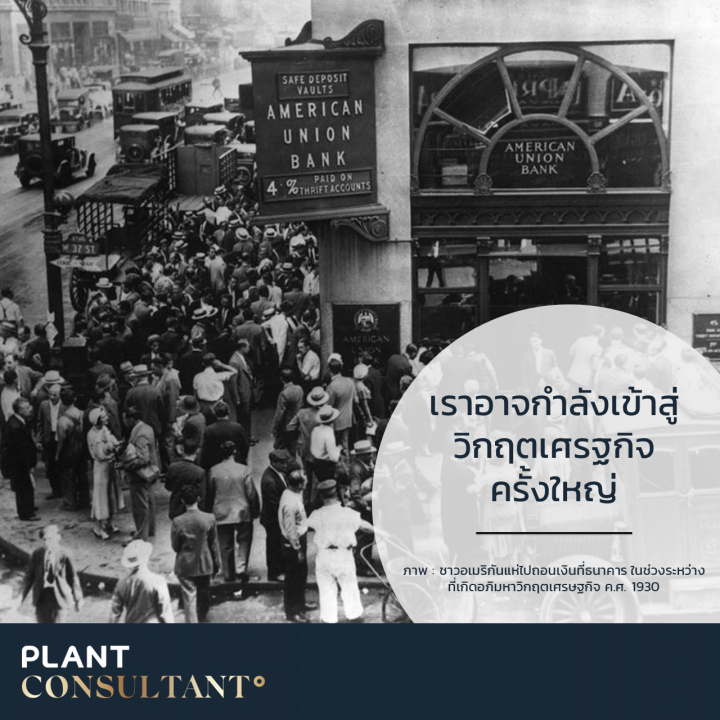
เราอาจกำลังเข้าสู่วิกฤตเศรฐกิจครั้งใหญ่
เดี๋ยวนี้นั่งอ่านข่าวเศรษฐกิจ เจอคำนี้บ่อยมาก “Global Synchronized Slowdown” ซึ่งพูดถึงภาวะที่เศรษฐกิจของหลายๆ ประเทศแย่ลงพร้อมๆ กัน

ยื่นภาษีเสร็จแล้ว จะยกเลิกประกันชีวิตใช่ไหม?
“เรื่องที่ผมกำลังจะเล่าต่อไปนี้ อาจทำให้ผู้เสียภาษีบางรายต้องขนลุกขนพองสยองเกล้า …”

ภาษี e-Payment
สืบเนื่องจากที่สรรพากร ได้ออก พรบ. เพื่อจะจัดเก็บภาษีธุรกรรมลักษณะเฉพาะ หรือภาษี e-Payment


